
Over the past decade, the EdTech sector has experienced unprecedented growth, driven by rapid digital transformation, rising learner expectations, and the urgent need for flexible, scalable education solutions. From learning management systems to AI-powered tutoring tools, innovation in this space has redefined how knowledge is delivered, accessed, and measured.
However, this acceleration has also introduced intense pressure for the professionals powering these advancements. Behind every breakthrough is a team working under constant deadlines, adapting to new technologies, and responding to evolving user demands, often with limited resources and unclear role expectations.
According to a recent Gallup study, 89 per cent of employees report experiencing burnout, with 83 per cent noting it directly affects their job performance. Within EdTech, the numbers are just as alarming. A 2020 EdSurge report found that 77 per cent of Instructional Designers experience burnout linked to long hours, tight timelines, and a lack of organisational support.
Maintaining a healthy work-life balance becomes a personal concern and an industry imperative as the sector continues to grow. This article explores how organisations and professionals can find equilibrium and thrive in one of the digital economy’s most demanding yet impactful fields.
Work-Life Balance: How can Equilibrium be achieved?
Understanding the challenges is the first step toward achieving equilibrium. Everyday stressors in high-pressure fields like EdTech include tight deadlines, high stakes, long hours, heavy workload, limited resources, inadequate support, continuous learning requirements, managing multiple priorities and projects, and navigating complex team dynamics or challenging client relationships.
These stressors can impact physical and mental health, leading to burnout, anxiety, and depression. Furthermore, neglecting balance can have severe consequences, including decreased productivity, strained relationships, and a diminished sense of purpose. It is worth noting that employers and employees play a crucial role in maintaining Work-life balance.
The Role of Organisations in Achieving Equilibrium
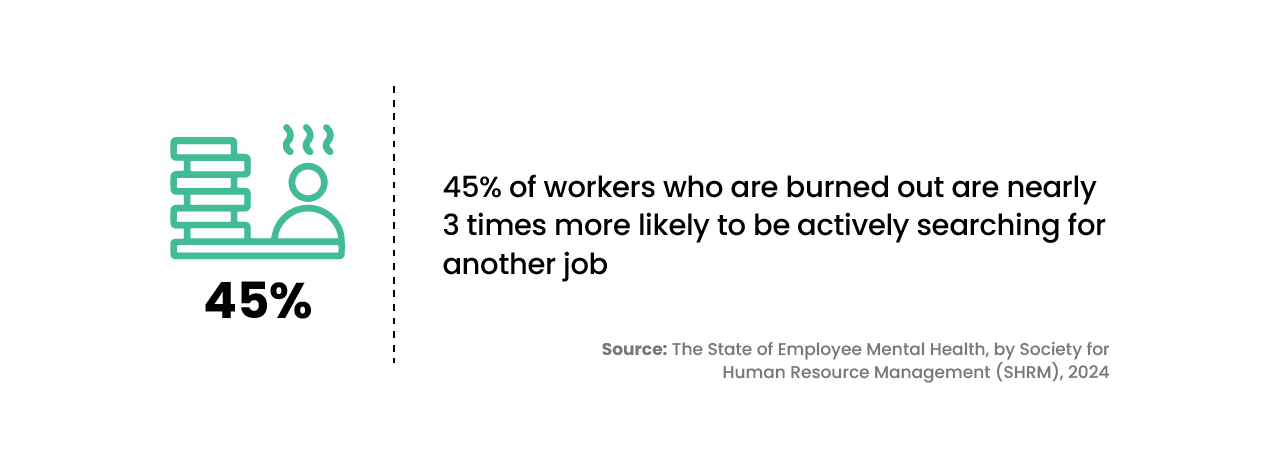
Organisations play a significant role in supporting employees’ work-life balance and well-being. By promoting a culture of equilibrium, organisations can reap numerous benefits, including increased productivity, reduced turnover, and improved job satisfaction.
Ways Organisations Can Support Equilibrium
- Flexible Work Arrangements: Offer flexible work arrangements, such as telecommuting, flexible hours, hybrid mode of working or compressed workweeks, to help employees balance work and personal responsibilities.

- Workload Management: Encourage realistic workload expectations and provide resources to help employees manage their workload effectively.
- Employee Recognition: Recognise and reward employees for their contributions, promoting a sense of accomplishment and job satisfaction.
- Supportive Culture: Foster a supportive culture that values work-life balance, encourages open communication, and promotes employee well-being.
- Training and Development: Provide training and development opportunities to help employees build skills and manage stress.
- Outsourcing Projects: One effective strategy is outsourcing projects to consulting firms like Phillips Consulting. Consider outsourcing or delegating responsibilities to free up employee time and energy.
By delegating specialised tasks or projects to external experts, organisations can:
- Reduce workload and increase efficiency
- Allow employees to focus on high-priority tasks
- Improve work-life balance and reduce stress
- Promote Self-care Activities: Organisations can promote self-care and well-being by organising light activities that bring employees together and provide a much-needed break from work.
Some ideas include:
- Wellness Programmes: Implement wellness programmes, such as employee assistance programmes (EAPs), mental health support, or fitness initiatives, to promote employee well-being.
- Team-Building Activities: Organise activities like game nights, potlucks, or volunteer days to foster camaraderie and teamwork.
- Social Events: Host happy hours, movie nights, or sports tournaments to encourage socialisation and relaxation.
- Mental Health Support: Offer resources and support for mental health, such as counselling services or mental health days.
By implementing these strategies and leveraging expert support, organisations can help employees achieve a better work-life balance, improve their well-being, reduce workload, increase efficiency, and allow professionals to focus more on high-priority tasks.
Organisations can reap long-term benefits that drive growth, success, and sustainability by supporting employee well-being and promoting a culture of equilibrium. With organisations playing their roles in maintaining equilibrium, how can professionals play their role in maintaining balance in this demanding field?
Strategies for Achieving Balance in a High-Pressure Field Like EdTech
Here are some key strategies for maintaining balance and reducing stress:
- Effective Time Management and Prioritisation: Mastering time management and prioritisation is key to achieving a healthy work-life balance. By identifying your priorities, focusing on high-impact activities, and delegating or outsourcing non-essential tasks, you can optimise your productivity, reduce stress, and create personal and professional growth space. This intentional approach empowers you to manage your workload efficiently, make time for what matters most, and thrive personally and professionally.
- Self-Care Practices: Activities like exercise, meditation, and hobbies can help mitigate stress and promote well-being. Incorporating regular breaks and leisure activities can significantly boost creativity and productivity.
- Productivity Hack: As an employee, you can maximise your efficiency with these top productivity hacks and get more done in less time.
- Pomodoro Technique: Work in focused 25-minute increments, followed by a 5-minute break.
- Eat That Frog: Tackle your most challenging or essential task in the morning.
- Time Blocking: Schedule fixed, uninterrupted blocks of time for tasks.
- Prioritisation: Identify and focus on high-priority tasks, eliminating or delegating less important ones.
- Automation: Use tools and software to automate repetitive tasks. This can help free up time and mental energy for more critical tasks.
- Building a Support Network: Surrounding yourself with colleagues, mentors, friends, and family provides emotional support and guidance, helping you navigate challenging situations.
- Cultivating Resilience: Developing coping mechanisms like mindfulness and deep breathing enables professionals to better handle stress and adversity, a path to achieving equilibrium. Viewing challenges as opportunities for growth and practising gratitude and positivity can help promote a more balanced and fulfilling life. By implementing these strategies and leveraging expert support, professionals can find equilibrium, achieve a better work-life balance and improve overall well-being.
In conclusion, achieving equilibrium between professional demands and personal well-being is crucial for professionals in high-pressure fields and the success of an organisation. By understanding the challenges, implementing effective strategies, and cultivating resilience, professionals can maintain balance and thrive in their careers, increasing organisational output. Prioritising employee well-being isn’t just beneficial, it’s essential for sustainable innovation and organisational resilience.
Overwhelmed with workload and need to outsource any of your EdTech projects or initiatives? Contact us at digitallearning@phillipsconsulting.net
Written by:
Aderonke Ayoade
Digital Learning